
Understanding Mesothelioma: A Rare But Aggressive Cancer
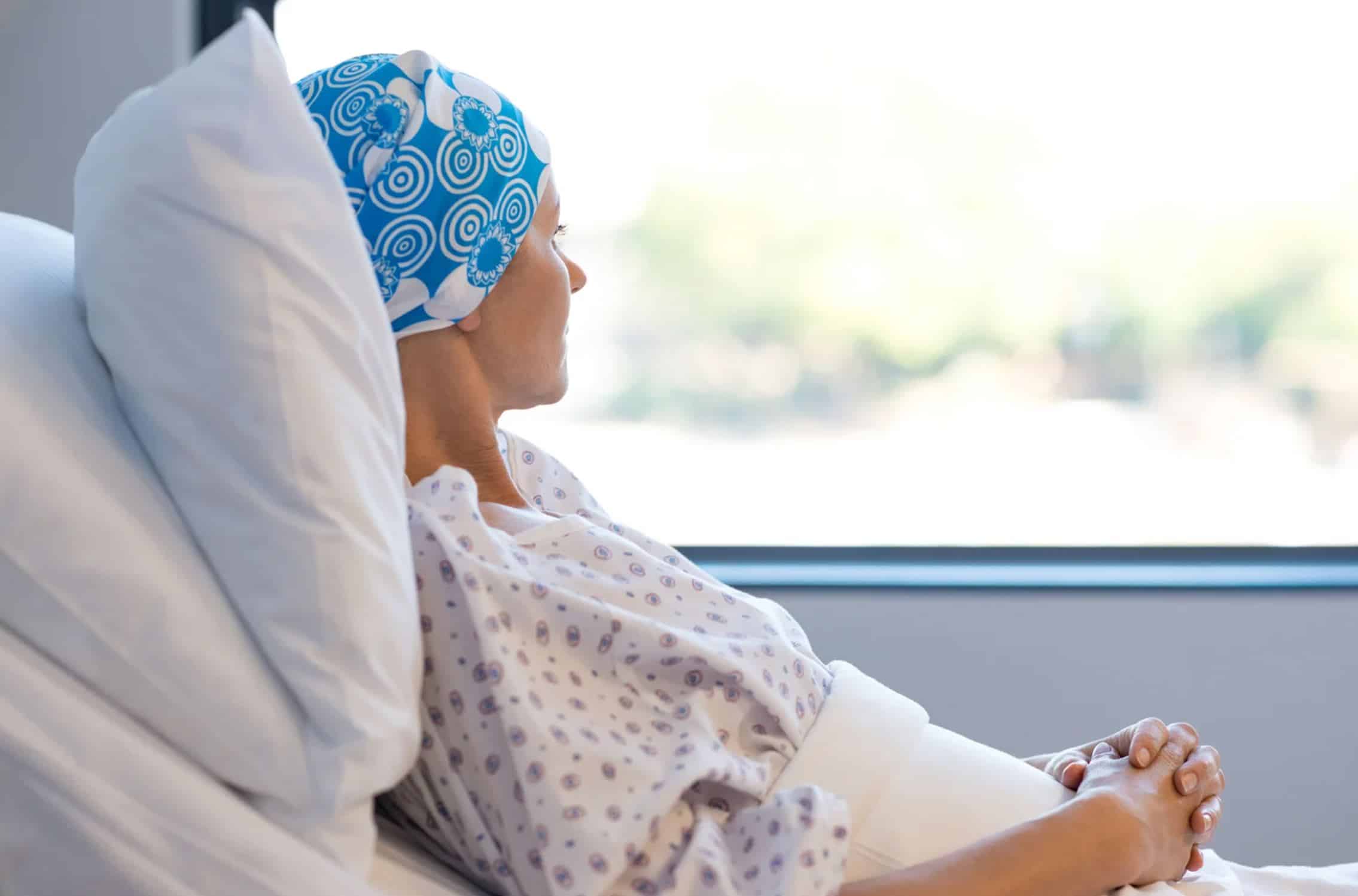
Photo courtesy of Unsplash
Mesothelioma is a rare cancer most commonly linked to asbestos exposure, often developing decades after initial contact. Since symptoms may not appear until the disease has advanced, diagnosis is frequently delayed. The American Cancer Society estimates that roughly 3,000 new mesothelioma cases are diagnosed each year in the United States, underscoring both the rarity of the disease and the challenges of early detection.
Despite its low occurrence, mesothelioma remains particularly difficult to treat due to its aggressive growth and tendency to spread along organ linings rather than forming a single, isolated tumor. Here’s what you need to know:
Traditional Treatment Approaches Still Play a Role
For many patients, treatment continues to rely on established methods such as surgery, chemotherapy, and radiation therapy. Surgery may be considered when the cancer is detected early and confined to a limited area. Chemotherapy has long been the most widely used option, often helping to slow tumor progression and reduce symptoms even when a cure is not possible.
Radiation therapy is sometimes added to manage pain or control tumor growth in specific regions. While these approaches do not always offer long-term remission, they remain central to care plans, particularly when combined and tailored to the patient’s overall health.
Immunotherapy and Research Are Shifting Expectations
In recent years, immunotherapy has begun reshaping expectations for mesothelioma care. These treatments work by strengthening the body’s immune response against cancer cells. According to the U.S. Food and Drug Administration, the approval of immunotherapy drugs for certain mesothelioma patients marked the first major breakthrough in treatment for the disease in over a decade.
Clinical trials continue to explore how immunotherapy can be paired with chemotherapy or surgery to improve survival. As research evolves, patients are increasingly encouraged to discuss clinical trial eligibility and emerging mesothelioma treatment options with specialists familiar with asbestos-related cancers.
Survival Rates and the Importance of Early Diagnosis
Outcomes for mesothelioma vary widely depending on how early the disease is detected and how it responds to treatment. Data show that the five-year relative survival rate for mesothelioma is approximately 12 percent, reflecting the seriousness of the diagnosis. However, survival rates are higher among patients diagnosed at earlier stages or treated at specialized cancer centers.
These figures highlight why prompt evaluation of symptoms such as persistent chest pain, shortness of breath, or unexplained weight loss is critical, particularly for individuals with known asbestos exposure.
Living With Mesothelioma Beyond Medical Care
A mesothelioma diagnosis often affects far more than physical health. Patients and families must navigate emotional strain, financial pressure, and long-term care planning alongside treatment decisions. Support services such as counseling, patient advocacy groups, and palliative care can play a crucial role in improving quality of life. Many specialists emphasize addressing pain management, mental health, and daily functioning early in the care process, rather than waiting until symptoms become severe.
Endnote
Since mesothelioma is very uncommon, many patients benefit from care at medical centers with specific experience treating the disease. Specialists are more likely to be familiar with evolving research, advanced surgical techniques, and clinical trials.
Public health experts also continue to emphasize prevention. Although asbestos use has declined significantly, the Centers for Disease Control and Prevention notes that exposure risks remain in older buildings, shipyards, and certain industrial settings. Awareness and proper safety measures are essential to reducing future cases.
While mesothelioma remains a serious and life-altering diagnosis, advances in research and treatment are gradually expanding the options available to patients and their families.